 Hertha BSC Hub
The 1990s were a time of change and hope for Hertha BSC. Following the reunification of Germany in 1990, the club faced the challenge of repositioning itself and asserting its place in the northern German football landscape. In the 1992/93 season, Hertha finally achieved its long-held goal of promotion to the Bundesliga.
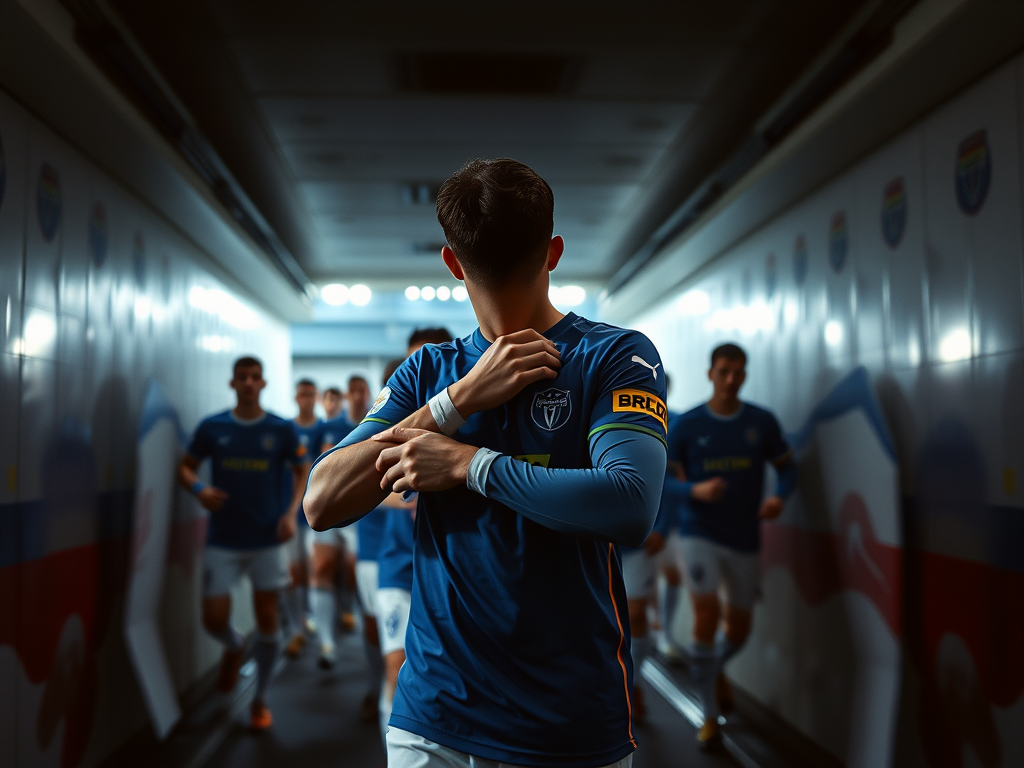
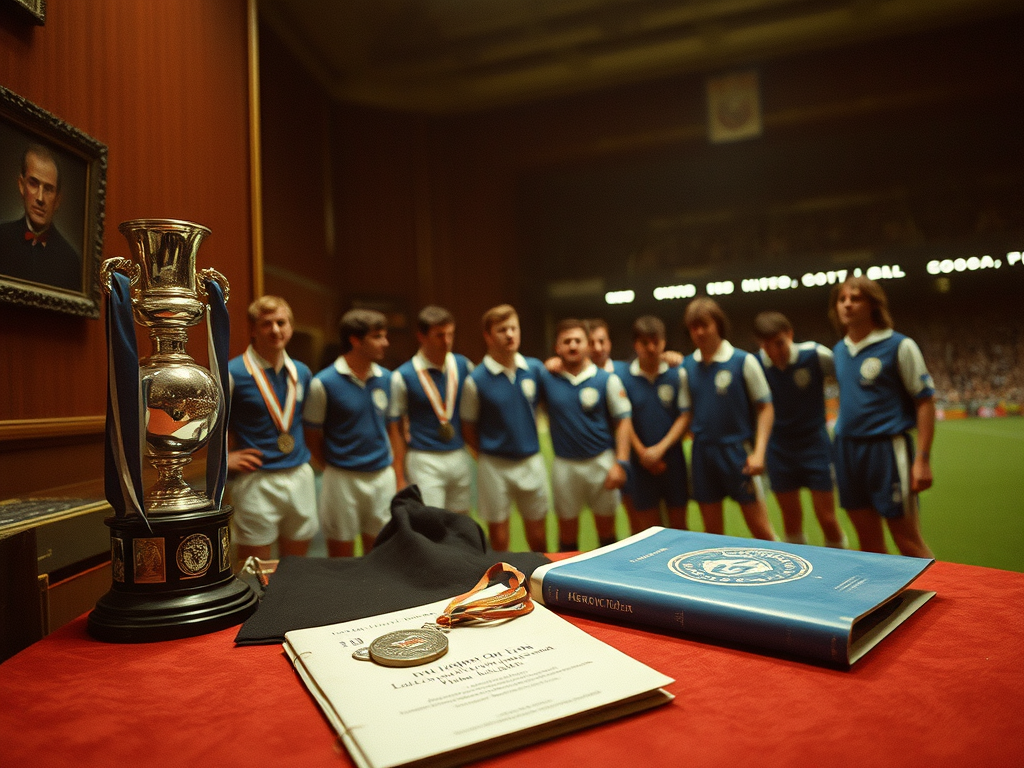
The turning point came on May 22, 1993, when Hertha faced 1. FC Nürnberg in the final match of the promotion round. A thrilling encounter that would go down in the annals of the club's history. The team, led by coach Jürgen Röber, put on an impressive performance that made every Hertha fan's heart race. Through a combination of technical skill and unwavering teamwork, Hertha secured their place in Germany's top league.
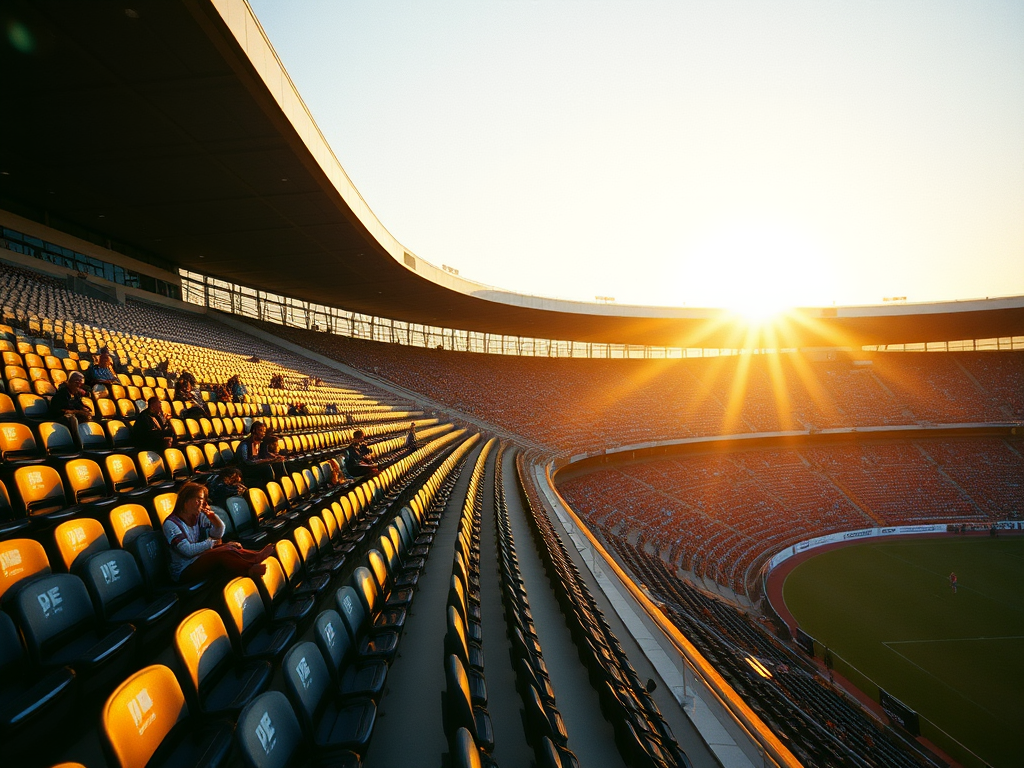
The promotion was more than just a sporting triumph; it also symbolized a fresh start for the club and the city of Berlin. The return to the Bundesliga brought a wave of excitement and united fans who had endured years of uncertainty and struggle. The atmosphere at the Olympiastadion was electric as supporters celebrated their "Old Lady"'s return to the pinnacle of German football.
In the following years, Hertha solidified its position in the Bundesliga and established itself as a mainstay. Players like Michael Preetz, who would later play a significant role in the club's development, were instrumental in this success. The promotion marked the beginning of a new era, where Hertha BSC grew not only sportingly but also structurally. It was a time of transformation that laid the foundation for the club's development as we know it today.
The return to the Bundesliga was a strong signal that inspired other clubs to evolve and pursue ambitious goals. For many fans, this promotion remains unforgettable and is a central part of the club's identity. Hertha BSC, the "Old Lady," was back and ready to claim its place in Germany's top league.