 Hertha BSC Hub
Hertha BSC's 1930 Championship Triumph: A Legacy of Resilience
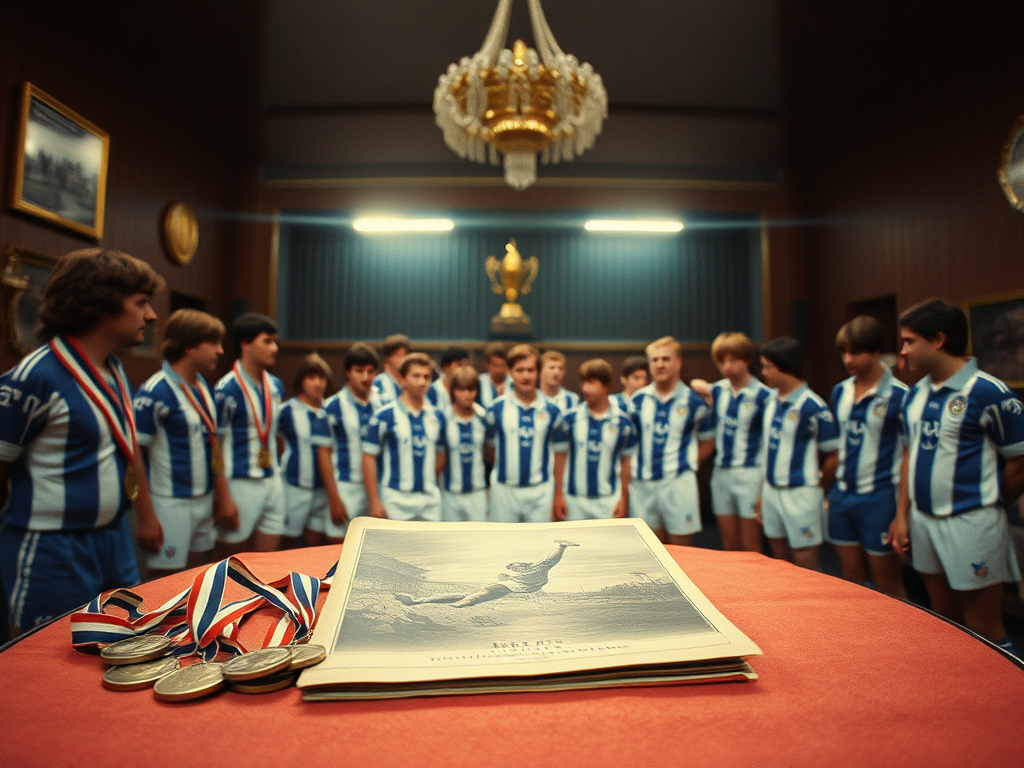
In the annals of German football, the year 1930 stands as a pivotal moment for Hertha BSC, marking the club's first triumph in the national championship. This victory was not just a testament to the team’s skill and determination but also a reflection of the club's resilience, bringing joy to its loyal supporters and etching itself into the heart of Berlin's sporting history.
Competing in the early years of the newly formed national league, Hertha BSC faced stiff competition from formidable opponents. The 1929-30 season was characterized by both fierce rivalries and the sheer unpredictability of the sport, yet Hertha emerged as a beacon of excellence. Under the leadership of coach Otto Nerz, the team displayed tactical ingenuity and a fighting spirit that would become synonymous with Die alte Dame.
The championship format at the time was different from today's league structure, consisting of a knockout tournament. Hertha BSC navigated through various rounds, overcoming various challenges that tested their mettle. The semi-final saw them face off against FC St. Pauli, where a combination of skillful play and strategic brilliance led to a decisive victory, propelling them into the final.
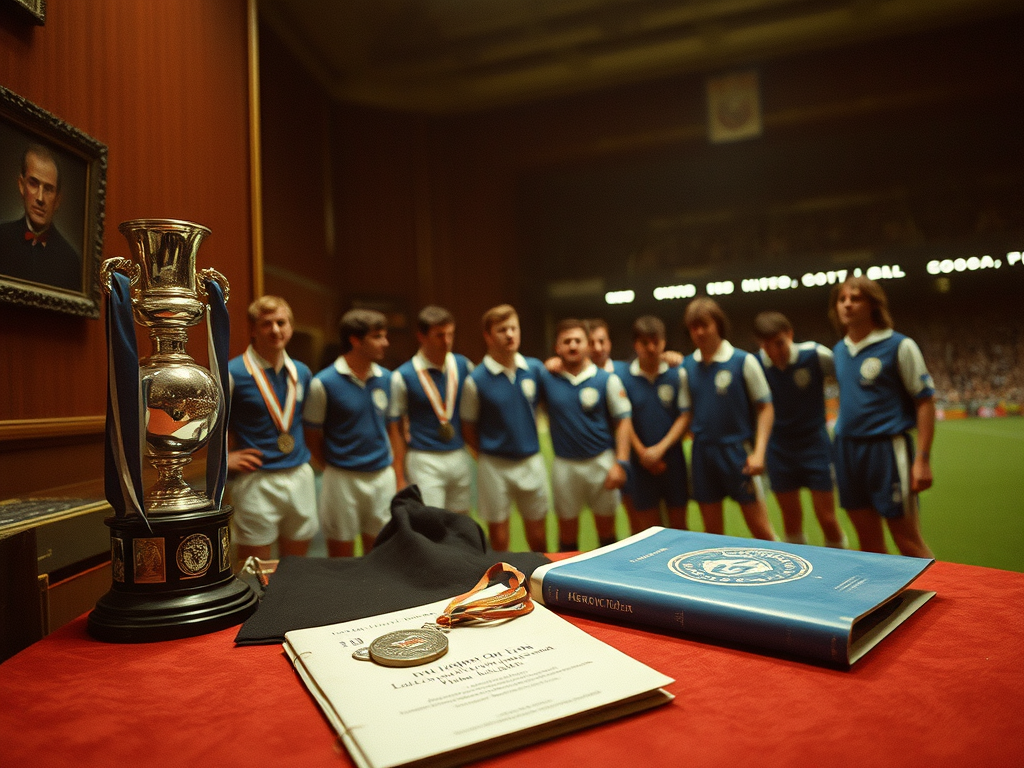
The final match, held on June 1, 1930, was against 1. FC Nürnberg, a club with a rich history and a formidable reputation. The stakes were high, as thousands of fans flocked to the stadium, with Hertha BSC supporters creating an electric atmosphere. The match was a showcase of tactical prowess, with both teams displaying their strengths. However, it was Hertha BSC's unwavering determination and collective effort that ultimately sealed their fate as champions.
This victory was monumental not only for the players and coaching staff but also for the city of Berlin. It united fans from various walks of life, as they celebrated a shared sense of pride and accomplishment. For many, it was a defining moment in their lives, as the echoes of victory resonated through the streets of Berlin, fostering a deep connection to the club that would endure for generations.
In the years following this historic success, the legacy of the 1930 championship continued to shape the identity of Hertha BSC. The triumph inspired a new wave of talent and ambition, as young players aspired to wear the blue and white jersey that symbolized resilience and determination. The club's rich history became a narrative that was passed down through families, instilling a sense of loyalty and passion among supporters.
As we reflect on this significant chapter in Hertha BSC's history, it is essential to recognize the impact of that 1930 championship on the club's evolution. It laid the foundation for future successes and challenges, reminding us that the spirit of Die alte Dame is built on the values of unity, perseverance, and passion for the beautiful game. Today, as Hertha BSC continues to navigate the complexities of modern football, the echoes of that historic triumph remind us of the enduring legacy that shapes the club's identity in the heart of Berlin.