 Hertha BSC Hub
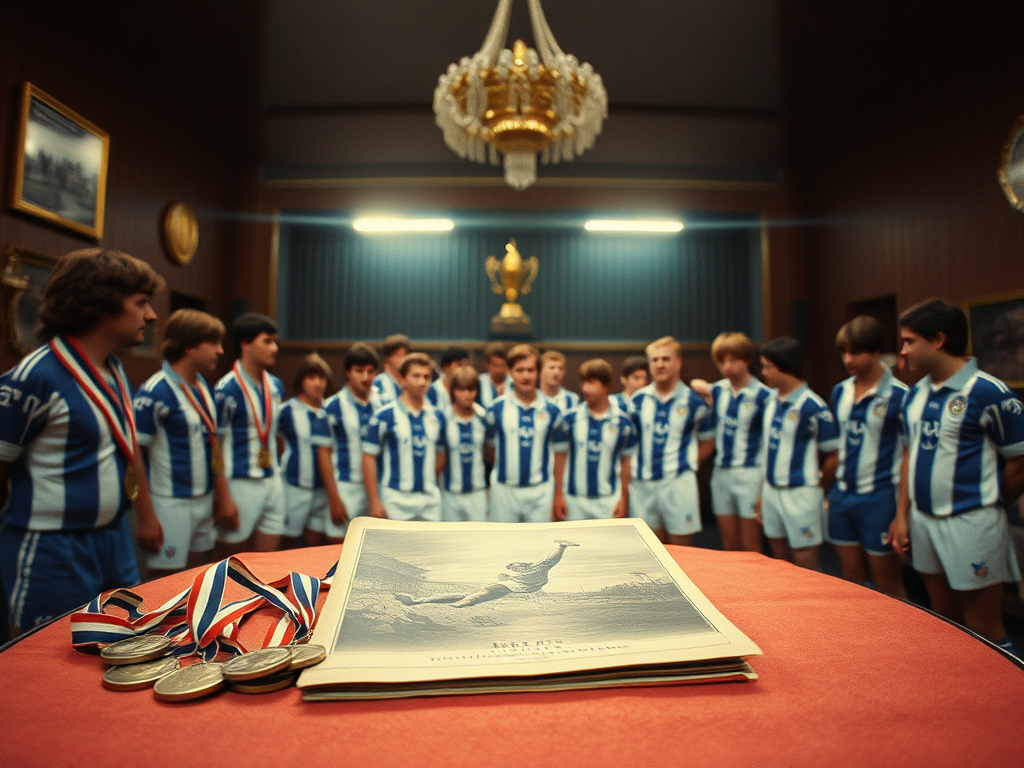
In the early 1990s, Hertha BSC found itself at a crossroads. After fluctuating between the top and second tiers of German football, the club faced an uncertain future. Yet, the 1992-1993 season proved to be a turning point, as the team embarked on an unforgettable journey that would culminate in a triumphant return to the Bundesliga.
Under the management of Jürgen Röber, Hertha BSC assembled a squad that blended experience with youthful exuberance. Key figures like goalkeeper Günter Sebert and the prolific striker Uwe Neuhaus led the charge, while emerging talents such as Marco Richter began to showcase their potential. This mix of seasoned players and fresh faces injected a renewed sense of optimism into the club's ambitions.
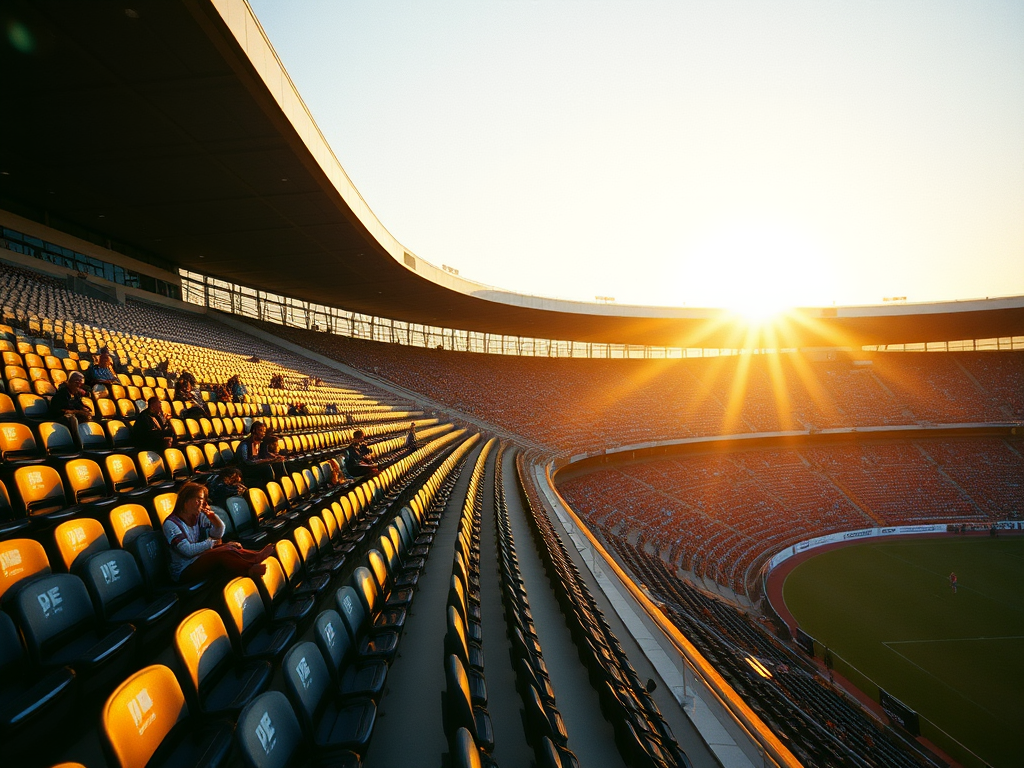
The season began with promise, but it was the second half that truly defined Hertha BSC's campaign. A string of impressive performances, including crucial victories against direct rivals, propelled the team up the table. The pivotal moment came on May 29, 1993, when Hertha BSC faced 1. FC Nürnberg in a decisive match. A buzzing atmosphere at the Olympiastadion set the stage for a clash that would echo through the annals of the club's history.
With the fans passionately supporting their team, Hertha BSC delivered a stellar performance. The players demonstrated resilience and determination, traits that would become synonymous with the club's ethos. Their victory not only secured promotion but also reignited the passion of a city that had long yearned for top-flight football.
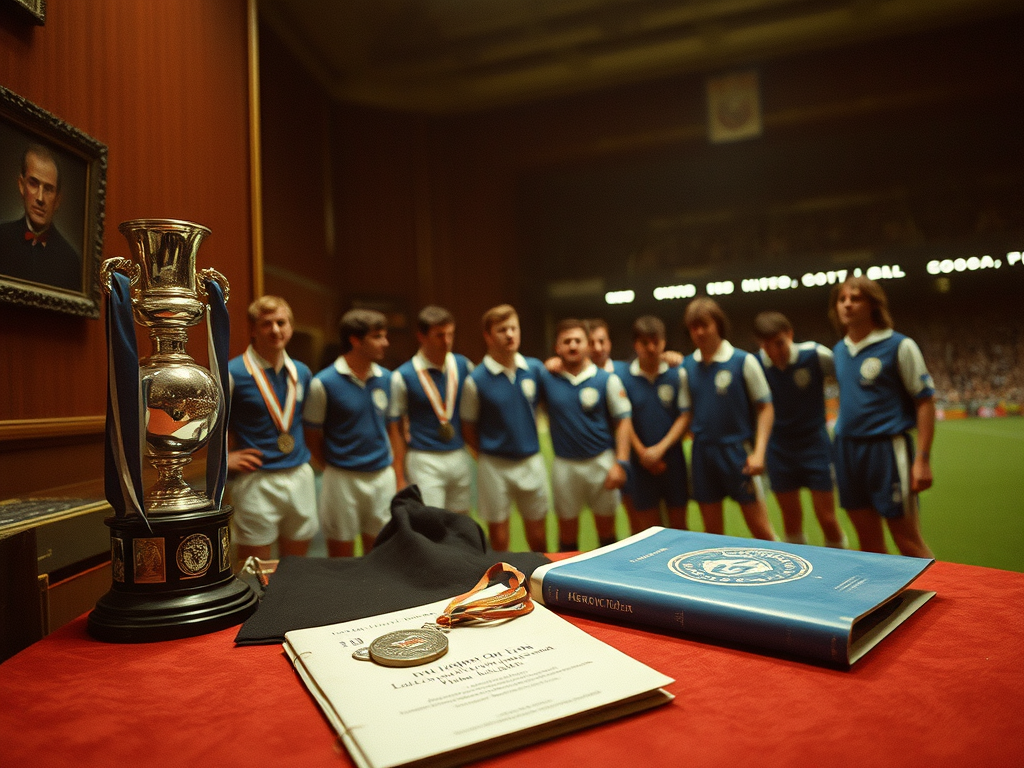
The promotion to the Bundesliga was more than just a sporting achievement; it represented a revival for Hertha BSC and its supporters. For years, the club had been in the shadows, and this moment served as a beacon of hope, rekindling dreams of returning to prominence in German football. The success fostered a renewed connection between the club and its fanbase, as supporters flooded the streets of Berlin in celebration, marking a collective triumph.
The impact of this promotion reverberated beyond the pitch. It breathed new life into the club's identity and set the foundation for future endeavors. Hertha BSC became a symbol of resilience in the face of adversity, reminding everyone that with hard work and dedication, dreams could indeed become a reality.
As the years rolled by, the 1993 promotion remained etched in the memories of fans and players alike. It served as a reminder of the club's potential and its place in the heart of Berlin's footballing landscape. Today, as Hertha BSC continues to navigate the complexities of modern football, the spirit of that victorious season remains alive, inspiring future generations to wear the blue and white with pride.
In reflecting on this historical moment, it's essential to recognize the significance it held not just for the club, but for the city of Berlin as well. The passion, the triumph, and the unity forged during that season laid the groundwork for what Hertha BSC would strive to achieve in the years to come, reminding everyone that Die alte Dame is indeed a force to be reckoned with in German football.