 Hertha BSC Hub
In the annals of Hertha BSC's rich history, the 1977 season stands out as a pivotal moment that showcased the club's resilience and determination to reclaim their place among Germany's elite footballing institutions. After a challenging period in the lower divisions, where they languished in the Regionalliga for over a decade, the club's promotion back to the Bundesliga was not merely a return; it was a statement of intent.
Hertha BSC, affectionately known as Die alte Dame, had enjoyed a glorious past, including a championship title in 1930 and a DFB-Pokal victory in 1971. However, the tumultuous years of the late 1960s and early 1970s saw the club struggle to maintain its stature, culminating in relegation from the top flight in 1974. The road back to the Bundesliga was fraught with challenges, yet the club's spirit remained unbroken.
Under the guidance of coach Jürgen Sundermann, the 1976-77 season was one of transformation. The team boasted a mix of seasoned veterans and young talents who were eager to prove themselves. Key players like the tenacious midfielder Hans-Jürgen Dörner and the dynamic forward Klaus Wunder helped spearhead a campaign that would eventually see Hertha BSC finish at the top of the Regionalliga.
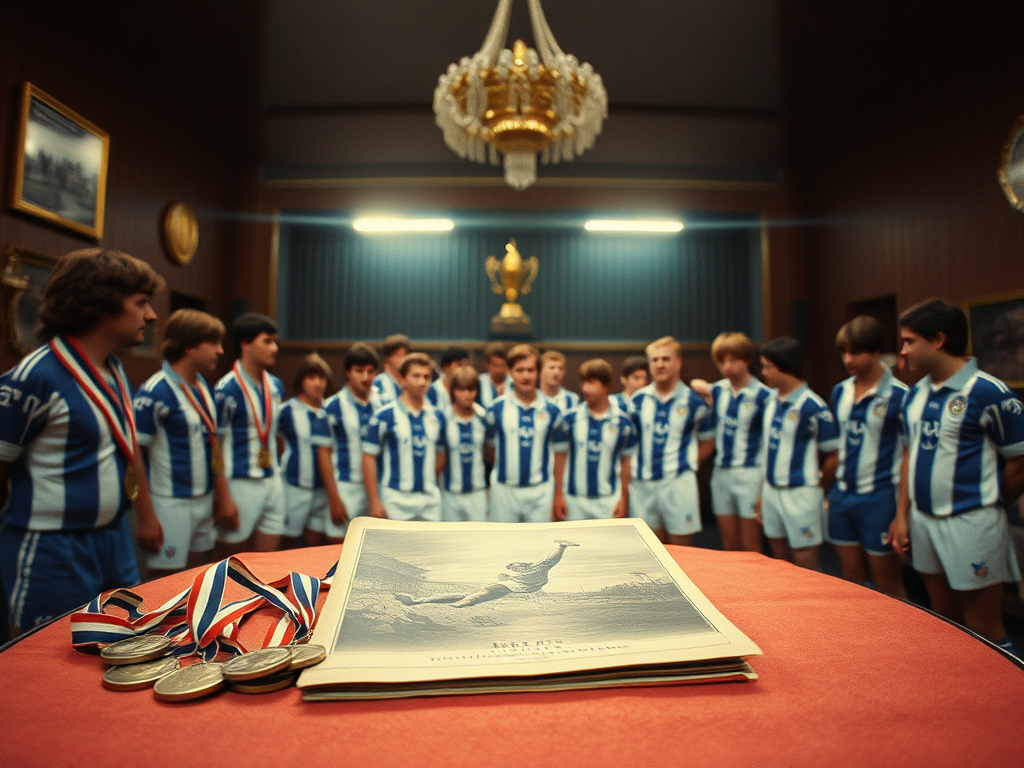
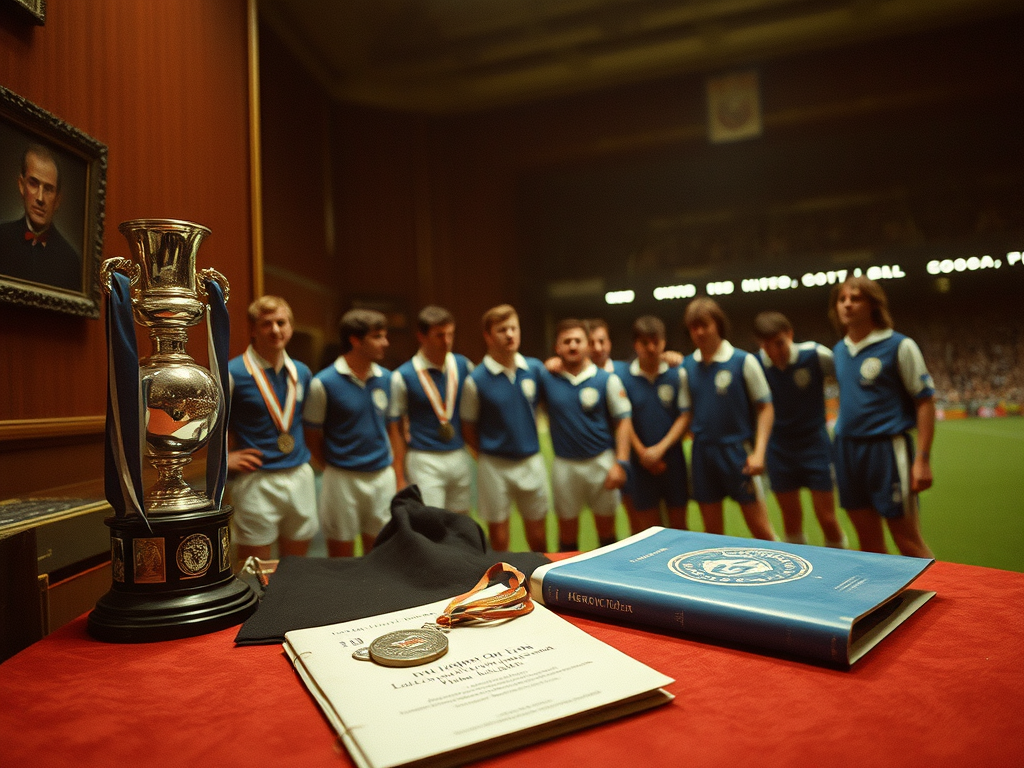
The decisive match that sealed their promotion took place on June 4, 1977, against SC Freiburg. With a fervent crowd at the old Olympiastadion, the atmosphere was electric. The significance of this match transcended the mere outcome; it was a testament to the club's determination and the unwavering support of its passionate fanbase. The victory not only secured their promotion but also reignited the hope and pride of Hertha BSC supporters who had long yearned for a return to the Bundesliga.
This resurgence in 1977 set the stage for a new era at Hertha BSC. The club returned to the Bundesliga not just as participants, but as contenders, ready to take on the challenges of the top tier with a renewed sense of purpose. The lessons learned during their time in the lower divisions proved invaluable, as the team adapted to the rigors and demands of Bundesliga football.
Moreover, the impact of this promotion extended beyond the pitch. It reignited the passion of the supporters and solidified Hertha BSC's identity within the vibrant football culture of Berlin. The fierce rivalry with 1. FC Union Berlin, which would define the landscape of Berlin football, began to take shape around this time, adding an extra layer of intensity to their matches.
The 1977 season was not just about promotion; it was about reclaiming the club's identity and reconnecting with its roots.
As Hertha BSC looked to the future, they carried with them the lessons of their past, the dreams of their supporters, and the belief that they could once again compete with the best in Germany. The spirit of that season continues to resonate within the club today, reminding everyone associated with Die alte Dame of the power of resilience, unity, and the indomitable will to succeed.